


Ferry Software for Excursion Boats
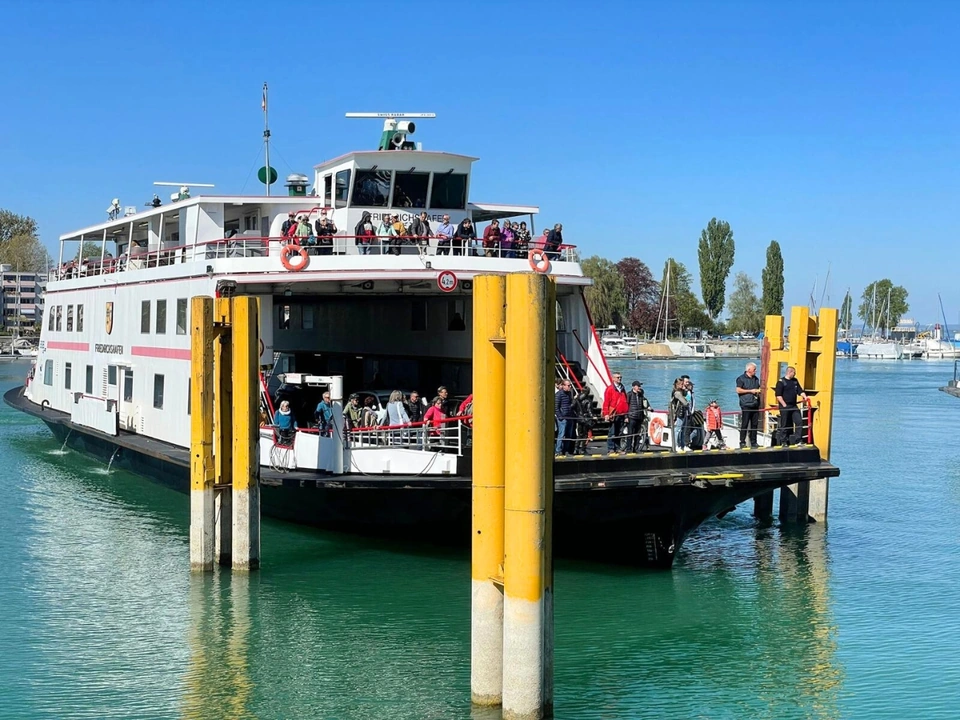
Excursion Boats focuses on supporting capacity-controlled sightseeing trips, events and timed departures. The page covers the complete workflow, records, exceptions, integrations and decision criteria.
One source of truth for timed excursion sale
This scope fits the documented Ferry Software foundation: central booking and schedule management, passenger and vehicle handling, shared capacity, fares, payments, mobile ticket control, reporting and open integrations. The workflow must create one reliable operational view for commercial teams, terminal staff, vessel operations, agents and managers. Each role should see the decisions it owns, while shared identifiers keep the booking, payment and departure connected.
Publish dated departures to close and report the trip
A complete timed excursion sale follows a deliberate sequence: publish dated departures, set passenger limits and ticket types, sell in advance and at the quay, manage groups and walk-ins, record payment, validate tickets and close and report the trip. Each transition needs a visible status, an owner and a defined next action. The system should not silently assume success after an interruption. If a step changes price, capacity, entitlement or departure readiness, the dependent records must be recalculated before confirmation. Staff also need to distinguish a temporary hold from a completed transaction.
Excursion, departure time and ticket type
The workflow relies on connected data objects rather than one undifferentiated customer record. The important records are excursion, departure time, ticket type, group, sales channel, weather status and validation. Each object needs a stable identifier and a clear source of truth. Validation should happen when the data is captured, but authorized staff must be able to correct genuine operational differences without deleting the original history. Changes that affect capacity, price, payment or boarding should create a traceable event.
Trip operating and places available
Configuration determines which transactions are permitted and which require review. Roles should separate day-to-day sales from tariff configuration, sensitive overrides and financial corrections. A decision is made against trip operating, places available, ticket valid, payment complete and customer informed. The outcome should be reproducible: two trained users given the same facts should reach the same result. Where local policy allows discretion, the user records a reason and the approving role. This protects customers from inconsistent treatment and helps management improve rules that regularly cause exceptions.
Handling weather cancellation or walk-in rush
Real ferry operations do not follow a perfect happy path. The design must explicitly cover situations such as weather cancellation, walk-in rush, group arrives short, departure combined and return time changes. For each case the operator defines whether the transaction is blocked, recalculated, transferred to another role or allowed with an override. The user must see what changed and which downstream records are now stale. A correction is only complete when affected capacity, price, documents, payment and operational lists agree again.
Online shop to customer messaging
The relevant hand-offs include online shop, quick counter sales, TicketApp and customer messaging. Integration is useful only when identifiers, timing and failure behaviour are agreed. A request may time out after the central system has already accepted it, so retries must not create a second booking, charge or capacity reservation. Interfaces should authenticate callers, validate codes and report actionable errors. Monitoring should show both technical delivery and business reconciliation. Ferry Software documents an open API and synchronization with websites, partner platforms and external systems; the exact endpoints and connected products are confirmed for each implementation.
Three timed excursion sale scenarios
A customer-facing example starts with the task “publish dated departures”, continues with “set passenger limits and ticket types” and must finish with a state that staff can see without re-entering the transaction. An operational example examines this exception: weather cancellation. the team needs a controlled decision, a reason and a traceable result rather than an informal workaround. A connected-channel example sends the same authoritative record through online shop and quick counter sales, while preventing duplicate capacity or payment effects.
Confirming trip operating, places available and ticket valid
Before confirming a transaction, the responsible role checks trip operating, places available, ticket valid, payment complete and customer informed. The relative importance of these checks depends on the page: an operational control may prioritize departure and entitlement, while a commercial workflow also considers price and payment. Operators define cut-off times, override permissions, escalation paths and evidence requirements.
Piloting Excursion Boats
Implementation should begin with one representative route and a small set of trained roles. Map the current process, remove duplicate entry, configure the authoritative data and rehearse both normal and disrupted sailings. Confirm that existing editorial pages, customer communications and operating procedures remain intact. During rollout, measure completion time, unresolved exceptions, reconciliation differences and staff feedback. Expand only after the pilot can be supported reliably.
Frequently asked questions
What operational problem does Ferry Software for Excursion Boats address?
Excursion Boats focuses on supporting capacity-controlled sightseeing trips, events and timed departures. The page covers the complete workflow, records, exceptions, integrations and decision criteria. It connects the customer or staff action with capacity, commercial and departure records instead of leaving separate teams to reconcile them manually.
Which steps belong to the timed excursion sale?
The core sequence is: publish dated departures, set passenger limits and ticket types, sell in advance and at the quay, manage groups and walk-ins, record payment, validate tickets and close and report the trip. The exact rules and user responsibilities are configured for the operator’s routes, vessels, channels and working procedures.
Which records must remain consistent?
The primary objects are excursion, departure time, ticket type, group, sales channel, weather status and validation. Stable identifiers and status history are required so changes can be traced across booking, operational and financial views.
How should exceptions be handled?
The implementation defines explicit actions for cases such as weather cancellation, walk-in rush and group arrives short. Each resolution needs an authorized role, a reason and updates to every affected downstream record.
Can this workflow connect with other systems?
Relevant connections include online shop, quick counter sales, TicketApp and customer messaging. The documented Ferry Software API supports integration, while authentication, available endpoints, retry behaviour and reconciliation are agreed for the specific project.
Is every described capability included by default?
The page is based on documented Ferry Software capabilities, but available modules, configuration and third-party services still need to be confirmed for the operator’s project.